
Tim Ottinger
Senior Consultant
Edinburgh, Scotland - UK
Since he began programming in 1979, Tim has been a programmer, author, manager, trainer, consultant, and coach.
His style is practical and hands-on, anchored in agile and traditional practices. Tim rapidly communicates concepts and practices, and is recognized for his compassionate and practical approach to work.
His career has included work in many industries and disciplines, including medical/healthcare, tax and accounting, warehouse automation, telecommunications, industrial machines, and construction payment processing to name just a few.
Tim is an insightful author with writing credits in Clean Code, Pragmatic Bookshelf magazine, Clean Agile, the C++ Report, Software Quality Connection, and other publications over the years. His breakthrough use of speed-training aids is the basis for the book Agile In A Flash, co-written with Jeff Langr.
Besides maintaining an active feed on Twitter and Linked-In, Tim is a blogger with articles appearing on the Industrial Logic blog and less formally on his personal blog.
He is an active speaker and author with a long history of speaking on technical and organizational topics at conferences and gatherings frequently giving keynote presentations on leadership, efficiency, communication, safe software practices, and continuous improvement.
He lives in Edinburgh, Scotland. He enjoys cooking, music, old scifi and horror movies, camping, and reading up on tech, psychology, and cognitive science. He and his wife share a passion for sightseeing and photography – a way of bringing their love of nature and art together.
Blog posts by Tim Ottinger

Do They Hate Writing Tests?
Do your programmers refuse to do TDD because they hate writing tests?

Iteration vs Divergence
When we aren't all going in the same direction, there are problems.

Rethinking Readability
We understand readability differently, and the difference matters.

Pitfalls Of Solo Work
Is dividing work among individuals really effective? Maybe not...

Programming Under Surveillance
Maybe working in a team is not (or needn't be) dreadful.

Dissecting the Rename Refactor
Are you refactoring, or just changing stuff? Let's look into the highly-disciplined world of REAL...

Waste Snake
All processes have wastes, large and small, that slow production. How do you set your team on the...

How To Understand Refactoring
Understand why your team always seems to want to refactor. Should you let them? Can you help them...

Story Points: Why is this so hard?
Story points are hard to understand and hard to use well. Ease your burden! All will be explained.

Managing Interruptions
It's frustrating to be constantly interrupted. Why is it like this, and what can we do about it?

Faster and More Predictable
“If the work were to flow smoothly through the system, it may be only 2-3 days of development.”

Structure-Shy Tests and Code
Is your refactoring hampered by structure-aware tests? Is your code structure-aware?
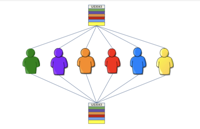
Scatter-Gather
Why we're working hard with little to show for it, and what we can do about it.

Why Are My Tests Flakey?
Tests should be reliable. We don't have to tolerate or ignore tests that intermittently fail; we ...

The Four Questions
If you are beginning to do some work, and you're feeling a little overwhelmed, these four questio...
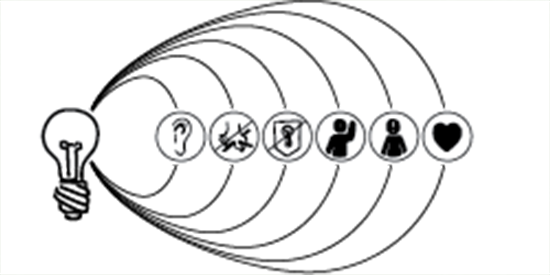
Rules for Receiving Feedback
You can learn to receive feedback gracefully and use it to your advantage
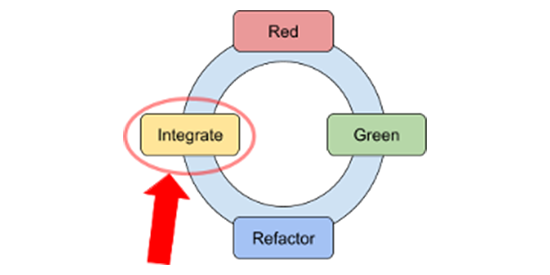
What's this about Micro-commits?
Commit early and often to move forward quickly and safely.
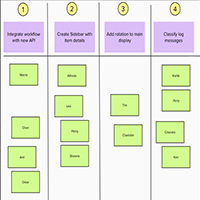
Swarm Programming with the Swarm Board
The swarm board is a simple way to keep track of your work while using multiple pairs or mobs.

First Time Through
What is the First Time Through metric and how does it apply to software development?

Prioritizing With the Eisenhower Matrix
This little 2x2 matrix is a simple formalism with many uses!

7 Code Virtues Explained
While many people are aware of code smells to describe what is bad about bad code, I have long th...

Bug: The Unintended Consequence
Let's talk about hardware and software, convenience, interruption, defects, and the dreaded Unint...

The Daily Meeting
The manager looks across the room at the team members. It’s 8:45 and everyone should be in attend...

Squeezing or Slicing?
I’m going to be using a metaphor that not everyone can relate to since not everyone is on a speak...

Estimates vs Actuals
“Oh, no! We estimated 23 story points for the sprint, but we only turned in 20. We’ve failed the ...
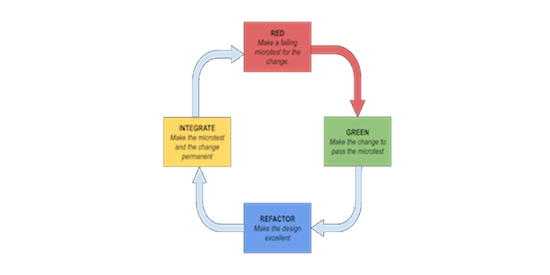
TDD: Purposes and Practices
Test-Driven Development (TDD) is frequently misunderstood in ways that cause needless struggle, d...
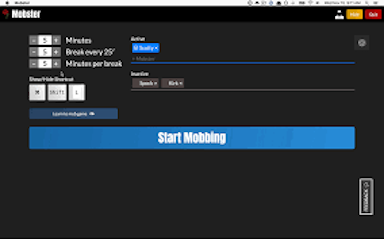
A Few Tips for Mob Programming
Mob programming is great stuff! We have found it to be the best way (so far) to teach technical s...

Managing Programmer Productivity
Several decades ago, the software industry was obsessed with counting lines of code per programme...

Make Your Testing Affordable
It’s great to have reliable tests in your pipeline to avoid escaped defects and to shorten the fe...
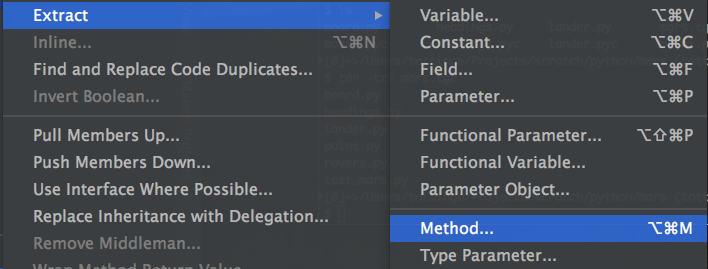
Reasons for Extracting Methods
When we are refactoring, and especially when we are teaching refactoring, our partners are surpri...

Make People Awesome through Real Work
Typical training workshops are informative and can be a lot of fun. Teams get away from their nor...

What Should We Measure?
The Agile world is awash in metrics and measures, but most provide little benefit to teams.

Small Things
Large changes are hard. Hard enough that they seldom happen, outside the context of a crisis. Wha...

Grist for the Mill
Let’s say that I ask you to calculate all the happy prime numbers between Planck’s constant and t...
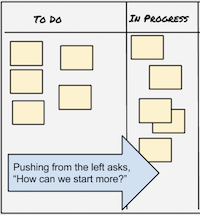
Over-Starting and Under-Finishing
Here is a story board to consider. Is it healthy? Is it being well-operated?
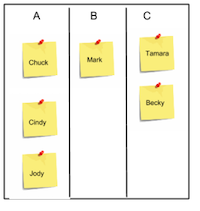
Stop Per-Person Swimlanes
Your task board's focus on accountability may be the primary factor keeping work from getting done.

Does Technical Debt Cause Employee Turnover?
Technical debt, as defined by Ward Cunningham, refers to a conscious choice to work with your cur...

Avoid Rework Through Behavior-Driven Development
Industrial Logic’s BDD eLearning Box Set distills techniques of safe BDD into easy-to-absorb trac...

Asleep At The Wheel: A Hidden Health Hazard?
A manager told me that one of his reliable developers seemed to be struggling to maintain focus a...

Tim's First Impressions
A funny thing happened on the way to launching my own consultancy...Industrial Logic and I had to...

Are You Should-Blind?
To deal with reality, we have to accept reality.

SPOT and Coincidental Duplication
The Single Point of Truth or DRY principle can help us create maintainable software. But beware o...

Work To Be Interruptible
Do not fear interruption but instead make it easy to recover your context.

Why Bad Code Exists
Understand 6 top reasons that "bad" code is still being produced by teams.

Advice for Giving Feedback
10 points of advice for successfully giving feedback to colleagues.
Is Your Team Suddenly Distributed?
With the 2020 outbreak of the Coronavirus, many companies are implementing work-from-home policie...